


 .
ئاگاداری
1- بەڕێوەبەری یانە Hemn Zanko لە کوردستان بە ئمێڵی ( hemn_kurdzhin@yahoo.com ) ..
ژمارەی مۆبایل ( 07812539505 ) .
2- بهڕێوهبهری گشتی ( ReKaN ) له ئهوروپا به ئیمێڵی ( Rekan_uk@hotmail.com ) ، ژماره تهلهفوونی( 00447754007706) .
 بابهته گرنگهکانی بهکارهێنانی یانه
|
|
|
|
|
|


#1 2009-03-02 18:32:09

ژیان نامه..........؟
پێویستم بهههندێ ژیانامهی کهسایهتی ئینگلیزی ههیه وهک: ولیهم شکسپیر....چارلی دیکسن؟؟؟؟؟؟؟؟لهگهڵ وێنهکانیان.............
ئهگهر بتوانن بۆم دابنێن زۆرم پێویسته...........
لهگهڵ ڕێزی HRM
دواترین جار دهستكاری كراوه لهلایهن ههرێم (2009-03-02 18:32:47)
لهسهر هێڵ نییه
#2 2009-03-02 19:03:32
- Eng-Xalat
- کازیوەی یانە

- شوێن: سلێمانی
- ڕێكهوتی به ئهندامبوون: 2008-11-16
- دواترین سهردان: 2014-01-04
- پهیامهكان: 3706


Re: ژیان نامه..........؟
فهرموو ئهمه ژیانی شکسپیر به هیوای سوود
سهرهتا وێنهی شکسپیر :
img]http://kurdzhin.org/up//uploads/images/kurdzhin-75a08ca7ce.jpg[/img]
William Shakespeare [1] was born in Stratford-upon-Avon, a small country town, the son of John Shakespeare, a successful glover and alderman from Snitterfield, and of Mary Arden, a daughter of the gentry. They lived on Henley Street, having married around 1557. The date of his birth is not known, but his baptismal record was dated 26th of April 1564. This is the first official record of Shakespeare, as birth certificates were not issued in the time of Queen Elizabeth. Because baptisms were normally performed within a few days of birth it is highly likely Shakespeare was born in April 1564, although the long-standing tradition that he was born on 23th of April has no historical basis (baptisms at this time were not invariably performed exactly three days after birth as is sometimes claimed). Nevertheless, this date provides a convenient symmetry because Shakespeare died on the same day in 1616. It is also the Feast Day of Saint George, the patron saint of England, which might seem appropriate for England's greatest playwright.
Shakespeare's parents had eight children: Joan (1558–1635), Margaret (1562–1563), William (1564–1616), Gilbert (1566–1612), Joan (1569–1646), Anne (1571–1579), Richard (1574–1613), and Edmund (1580–1607).[2]
Shakespeare's father, prosperous at the time of William's birth, was prosecuted for participating in the black market in wool, and later lost his position as an alderman. Some evidence pointed to possible Roman Catholic sympathies on both sides of the family.[3]
It is theorized that Shakespeare attended King Edward VI Grammar School in central Stratford.[4] The King honored in the school's name (Edward VI) had nothing to do with the original founding of the school, which had Roman Catholic origins. It had been established in the early 15th century, far before Edward's time.[5] While the quality of Elizabethan era grammar schools was uneven, the school probably would have provided an intensive education in Latin grammar and literature. As a part of this education, the students would likely have been exposed to Latin plays, in which students performed to better understand the language. One of Shakespeare's earliest plays, The Comedy of Errors, bears similarity to Plautus The Two Menaechmuses, which could well have been performed at the school.[6] It is presumed that the young Shakespeare attended this school,[7] although his attendance cannot be confirmed because the school's records have not survived. This school, which made frequent use of corporal punishment, was free to male children in Stratford dating from an endowment by a Catholic chaplain in 1482.[8] There is no evidence that he received a university education.
On 29 November 1582, at Temple Grafton, near Stratford, the 18 year old Shakespeare married Anne Hathaway who was 26. Two neighbours of Hathaway, Fulk Sandalls and John Richardson, posted bond that there were no impediments to the marriage. There appears to have been some haste in arranging the ceremony: Hathaway was three months pregnant.
On 26 May 1583, Shakespeare's first child, Susanna, was baptised at Stratford. Twin children, a son, Hamnet, and a daughter, Judith, were baptised on 2 February 1585. Hamnet died in 1596, Susanna in 1649 and Judith in 1662.
After his marriage, Shakespeare left few traces in the historical record until he appeared on the London theatrical scene. Indeed, the period from 1585 (when his twin children were born) until 1592 (when Robert Greene called him an "upstart crow") is known as Shakespeare's "lost years" because no evidence has survived to show exactly where he was or why he left Stratford for London.[9] A number of stories are given to account for his life during this time, including that Shakespeare got in trouble for poaching deer, that he worked as a country school teacher, and that he minded the horses of theatre patrons in London. There is no direct evidence to support any of these stories and they all appeared to have started after Shakespeare's death.[10]
The theory that Shakespeare acted as a schoolmaster in Lancashire was proposed by E. A. J. Honigmann in 1985, founded on evidence in the will of a member of the Hoghton family, referring to plays and play-clothes and asking his kinsman to take care of "...William Shakeshaft, now dwelling with me...".[11] The asserted nexus was John Cottom, Shakespeare's reputed last schoolmaster, who was purported to have recommended the Bard.[11][12] Michael Wood points out that Thomas Savage, Shakespeare's trustee at the Globe some twenty years later, was related by marriage to a neighbour to whom the will was also addressed. He allows, however, that Shakeshaft was a common name in Lancashire at the time.[13] Ackroyd adds that study of the marginal notes in the Hoghton family copy of Edward Hall's Chronicles, an important source for Shakespeare's early histories, shows that they were in "probability" in Shakespeare's writing.[14]
London and theatrical careerا
By 1592, Shakespeare was a playwright in London; he had enough of a reputation for Robert Greene to denounce him as "an upstart crow, beautified with our feathers, that with his Tygers hart wrapt in a Players hyde, supposes he is as well able to bombast out a blanke verse as the best of you: and being an absolute Johannes factotum, is in his owne conceit the onely Shake-scene in a countrey." (The italicized line parodies the phrase, "Oh, tiger's heart wrapped in a woman's hide" which Shakespeare wrote in Henry VI, part 3.)By late 1594, Shakespeare was an actor, writer and part-owner of a playing company, known as the Lord Chamberlain's Men — like others of the period, the company took its name from its aristocratic sponsor, in this case the Lord Chamberlain. The group became popular enough that after the death of Elizabeth I and the coronation of James I (1603), the new monarch adopted the company and it became known as the King's Men. Shakespeare's writing shows him to indeed be an actor, with many phrases, words, and references to acting, but there isn't an academic approach to the art of theatre that might be expected.[15]
Shakespeare's Coat of Arms
Despite this lack of academia, Shakespeare long sought the status of a gentleman. His father John, a bailiff of Stratford with a wife of good birth, was eligible for a coat of arms and applied to the College of Heralds for one. But his worsening financial status prevented him from obtaining it. The application was successfully renewed in 1596, most probably at the instigation of William himself, as he was the more prosperous at the time. However as an actor he was not eligible and the application still relied on his father's qualifications. The motto on the coat of arms was "Non sanz droit", or "Not without right", showing a certain defensiveness and insecurity on the part of its author; most likely William. The theme of social status and restoration runs deep through the plots of many of his plays, and Shakespeare seems to mock his own longing. [16]By 1596, Shakespeare had moved to the parish of St. Helen's, Bishopsgate, and by 1598 he appeared at the top of a list of actors in Every Man in His Humour written by Ben Jonson. He is also listed among the actors in Jonson's Sejanus: His Fall. Also by 1598, his name began to appear on the title pages of his plays, presumably as a selling point.
There is a tradition that Shakespeare, in addition to writing many of the plays his company enacted, and being concerned as part-owner of the company with business and financial details, continued to act in various parts, such as the ghost of Hamlet's father, Adam in As You Like It, and the Chorus in Henry V.[17]
He appears to have moved across the River Thames to Southwark sometime around 1599. In 1604, Shakespeare acted as a matchmaker for his landlord's daughter. Legal documents from 1612, when the case was brought to trial, show that in 1604, Shakespeare was a tenant of Christopher Mountjoy, a Huguenot tire-maker (a maker of ornamental headdresses) in the northwest of London. Mountjoy's apprentice Stephen Belott wanted to marry Mountjoy's daughter. Shakespeare was enlisted as a go-between, to help negotiate the details of the dowry. On Shakespeare's assurances, the couple married. Eight years later, Belott sued his father-in-law for delivering only part of the dowry. Shakespeare was called to testify, but remembered little of the circumstances. On this case see article 'Bellott v. Mountjoy'.
Various documents recording legal affairs and commercial transactions show that Shakespeare grew rich enough during his stay in London years to buy a property in Blackfriars, London and own the second-largest house in Stratford, New Place.
دواترین جار دهستكاری كراوه لهلایهن xalat xp (2009-03-02 19:10:32)

له 01-01-2011 هوه

لهسهر هێڵ نییه
#3 2009-03-02 20:05:38
- lawand-14
- دهرکراو
- ڕێكهوتی به ئهندامبوون: 2008-12-17
- دواترین سهردان: 2009-12-04
- پهیامهكان: 12
Re: ژیان نامه..........؟
ئهمه شاعیر و شانۆنووسیَكى ئینگلیزه، به گرنگترین شانۆنووسى جیهان دهناسریَت.. بهرههمهكانى رِهواجیَكى زۆریان پهیدا كرد، ئهو رِهواج پهیداكردنهش لهبهر ژمارهیهك :)هۆكار بوو، لهوانه: شكسپیر به باشى له سروشتى ئادهمیزاد گهیشت و تیَگهیی چى پیَخۆشه و چین ئهو شتانهى دهیههژیَنن، ئهمه وایكرد كهسایهتیى شانۆكانى بهو سیفهتانهوه بخاته بهرچاو، كه سنوورهكانى شویَن و كات دهبهزیَنن و كارانیَك دهكهن، بینهر لهزهتیان لیَ وهردهگریَت.
شكسپیر له ژیانى خۆیدا به لانى كهم (37) شانۆنامهى نووسیوه، رِهخنهگرهكان تا رِادهیهكى باش كۆكن لهسهر ئهوهى، ئهم شانۆنامانهی شكسپیر دابهش دهبن بهسهر سیَ جۆردا، ئهوانیش (كۆمیدیا)، (تراژیدیا)، (شانۆنامهى میَژوویی).
شكسپیر كورِى دایك و باوكیَكه، له خهڵكه ژیان ناوهندهكانن، له شارۆچكهیهكى بازرگانى بچووك به ناوى (ستراتفورد ـ ئهبون ـ ئافون) لهدایك بوو، سیَیهمى ههشت منداڵانى خیَزانهكهى بوو، بهڵام لهگهڵ ئهوهشدا كه دهوهڵهمهند نهبوون، كهچى خیَزانهكهیان لهو شارۆچكهیهدا پیَگهیهكى بهرچاویان ههبوو، باوكى وهكو ئهندامى ئهنجومهنى یاسادانانى شارۆچكهكهیان ههڵبژیَردرا، پاش سیَ ساڵ كرایه سهرۆكى ئهنجومهنى شارهوانیى شارۆچكهكه، كه ئهمهى دووهم بهرزترین پۆستیَك بوو، كه ههركهسیَك له شارۆچكهیهكى وههادا دهستى بكهویَت، دواى ئهوهش باوكى له (ستراتفورد)دا ژمارهیهك پۆستى مهدهنیى وهرگرت، له كۆتایی ژیانیدا به كیَشهى مادییهوه سهرى نایهوه.
پیَدهچیَت شكسپیر له (ستراتفورد)دا لهگهڵ مناڵى ئهوانهى لهگهڵ خۆیدا له یهك چینى كۆمهڵایهتى بووبن، چووبیَته قوتابخانه، بۆ ئهو رِۆژگاره له ئهوروپا به گشتى و ئینگلتهراش به تایبهتى، ئهوهى زمانى لاتینیی بزانیبایه، ئهوه به خویَندهوار و رِۆشنبیر دادهنرا، جا دهشیَت شكسپیر به لاتینى بهرههمى نووسهره ناودارهكانى رِۆمانیی له ویَنهى: (شیشرون، ئۆفید، بلوتوس، سنیكا، تیرنس، ڤیَرجیل)ى خویَندبیَتهوه.
شكسپیر له ساڵى (1852ز) له تهمهنى ههژده ساڵیدا كچى جوتیاریَكى گوندى (شوترى)ى نزیكهى كیلۆمهتریَك و نیو دوور له (ستراتفورد)ى هیَنا، كه ناوى (ئان هاساوای) بوو و له تهمهنى بیست و شهش ساڵیدا بوو، واته ههشت ساڵ له شكسپیر گهورهتر بوو، بهڵام ئهوهش كیَشهى بۆ دروست نهكردن، بهڵكو به ئاسوودهیی ژیان، له ساڵى (1853) یهكهم كچیان بوو، ناویان نا (سوزانا).
تا بهر له ساڵى (1594ز)، میَژوونووسان چ بهڵگهیهكیان به دهستهوه نییه ئهوه دهربخات كه ئایا شكسپیر تا ئهو میَژووه لهگهڵ چ تیپیَك كارى كردووه.. بهڵام ئهوه ئاشكرایه، كه له ساڵى (1594)دا شكسپیر له تیپیى (پیاوانى لۆرد تشامبرلین) كارى كردووه، ئهمهش چونكه كاغهزیَكى پاره خهرجكردن ماوه ئهوه دهردهخات، كه له بهرامبهر ئهو دهقانهى دهربارى پاشا ئهلیزابیَسدا نمایشیان كردووه، پاره به شكسپیر و هاورِیَكانى ترى له تیپى ناوبراو دراوه. ئیدى تا كۆتایی ژیانى خۆى، شكسپیر وهكو دیارترین ئهندامى ئهو تیپه مایهوه، كه ئهمه بهناوبانگترین تیپى لهندهن بوو. دیاره وهكو ئاماژهى بۆ دهكهن، تا ساڵى (1594ز)، شهش شانۆگهریى شكسپیر له لهندهن پیَشكهش كراوه.
شكسپیر دیاره شاعیریش بووه، له ساڵى (1593ز)دا یهكهم قهسیدهى دریَژى به ناونیشانى (فینوس و ئهدونیس) نووسیوه، ههر ئهو ساڵه رِیچارد فیڵد بۆى چاپ كردووه.
بۆ ساڵى دووهمیش (رِیچارد فیڵد) ههستا قهسیدهیهكى دیكهیشى بۆ شكسپیر چاپ كرد، ئهویش به ناونیشانى (ئیغتیێابى لوكریس) بوو، كه پیَشكهشى (ئیرل ساوسمبتون)ى كردبوو. ههردوو ئهم قهسیدانه ههر له سهردهمى شكسپیردا چهندین جار چاپ كرانهوه، بهڵام ئهو سهركهوتنهى بهدهستیان هیَنا، ئهوه واى نهكرد شكسپیر واز له شانۆ بیَنیَت، بهڵكو دواى ئهوهى له ساڵى (1594ز) دهرگاى شانۆكان كرانهوه، دیسانهوه شكسپیر دهستى كردهوه به نووسینى شانۆنامهكانى، كه له رِاستیدا له سهردهمى ئهلیزابیس، له ئینگلتهرا هیچ شانۆنووسیَكى دیكه نهبوو بگاته ئاستى شكسپیر له ههموو رِوویهكى داهیَناندا.
ساڵانى نیَوان (1594 و1608ز)، به ساڵانى ناوبانگ دهركردنى شكسپیر دادهنریَت، كه لهم ساڵانهدا ههموو ساڵیَك دوو دهقى شانۆیی بۆ تیپهكهى دهنووسى، جگه لهوهش وهكو ئهكتهر و بهشداریكهریَكى باشى تیپهكهش خزمهتى تیپهكهى و له رِیَگهیهوهى وڵاتهكهى دهكرد، جا لهبهر ههموو ئهو چالاكییانهى كه لهو ماوهیهدا شكسپیر لهسهر شانۆكانى لهندهن پیَشكهش كران، یان چاپ كران و خرانه كتیَبخانهكان، وهكو شانۆنووسیَكى میللى جهماوهرى ناسرا، زیاتر لهوهى وهكو شانۆنووسیَكى بلیمهت بناسریَت.
به هاتنهپیَشى نهوهتهكانى سهدهى شانزهى زاینى، شكسپیر ناوبانگى دهركرد، ئهمه له كاتیَكدا، كه هیَشتا شانۆگهرییه تراژیدییه گرنگهكانى وهكو: (هاملیَت، عوتهیل، شا لیر، ماكب)ى نهنووسیبوو.
بهم شیَوهیه شكسپیر بهردهوام بوو لهسهر نووسینى شانۆنامهكانى خۆى و بهردهوام ناوبانگیشى بهرهوپیَش دهچوو، تهنانهت له كۆتا ههشت ساڵهى تهمهنى خۆیدا چوار شانۆنامهى نووسى، ئهوانیش بریتین له (سیمبلین، هنری ههشتهم، گهردهلول، حیكایهتى زستان). رِهخنهگران له رِابردوودا لهو باوهرِهدا بوون شانۆنامهى (گهردهلول)ى كه له ساڵى (1610ز) نووسى، ئهمه دووایین بهرههمى شكسپیر بووه. ههروهها دهیانگوت: ئیتر دواى ئهوه ئهو به شیَوهیهكى نیمچه تهواو خۆى خانهنشین كردووه و له (ستراتفورد) دانیشتووه. بهڵام دواتر ئهوه دهركهوت، كه شانۆنامهى (هنرى ههشتهم)ى له ساڵى (1613ز) نووسیوه، جگه لهوهش له ههمان ساڵدا شكسپیر خانوویهكى له ناوچهى (بلاك فرایرز)دا كرِیوه، كه ئهمهش ئهوه دهردهخات شكسپیر یهكرِاست و به یهكجار (لهندهن)ى جیَنههیَشتووه، بهڵكو به قۆناغ جیَى هیَشتووه و گهرِاوهتهوه (ستراتفورد).
سهرهنجام له ساڵى ( 1616 ز)دا شكسپیر له تهمهنى پهنجاو دوو ساڵیدا سهرى نایهوه، بهوهش شانۆى ئینگلیزى ناودارترین و گرنگترین نووسهر و ئهكتهر و بلیمهتى خۆى لهدهست دا.
ماڵپهڕی یهکگرتوو....
لهسهر هێڵ نییه
#4 2009-03-02 20:19:52
- hawnaz
- کازیوەی یانە

- شوێن: ♫سلێمانی♫
- ڕێكهوتی به ئهندامبوون: 2008-01-21
- دواترین سهردان: 2013-10-22
- پهیامهكان: 1234

Re: ژیان نامه..........؟
William Shakespeare
William Shakespeare was born on April 23, 1564, in Stratford-on-Avon. The son of John Shakespeare and Mary Arden, he was probably educated at the King Edward IV Grammar School in Stratford, where he learned Latin and a little Greek and read the Roman dramatists. At eighteen, he married Anne Hathaway, a woman seven or eight years his senior. Together they raised two daughters: Susanna, who was born in 1583, and Judith (whose twin brother died in boyhood), born in 1585.
Little is known about Shakespeare's activities between 1585 and 1592. Robert Greene's A Groatsworth of Wit alludes to him as an actor and playwright. Shakespeare may have taught at school during this period, but it seems more probable that shortly after 1585 he went to London to begin his apprenticeship as an actor. Due to the plague, the London theaters were often closed between June 1592 and April 1594. During that period, Shakespeare probably had some income from his patron, Henry Wriothesley, earl of Southampton, to whom he dedicated his first two poems, Venus and Adonis (1593) and The Rape of Lucrece (1594). The fomer was a long narrative poem depicting the rejection of Venus by Adonis, his death, and the consequent disappearance of beauty from the world. Despite conservative objections to the poem's glorification of sensuality, it was immensely popular and was reprinted six times during the nine years following its publication.
In 1594, Shakespeare joined the Lord Chamberlain's company of actors, the most popular of the companies acting at Court. In 1599 Shakespeare joined a group of Chamberlain's Men that would form a syndicate to build and operate a new playhouse: the Globe, which became the most famous theater of its time. With his share of the income from the Globe, Shakespeare was able to purchase New Place, his home in Stratford.
While Shakespeare was regarded as the foremost dramatist of his time, evidence indicates that both he and his world looked to poetry, not playwriting, for enduring fame. Shakespeare's sonnets were composed between 1593 and 1601, though not published until 1609. That edition, The Sonnets of Shakespeare, consists of 154 sonnets, all written in the form of three quatrains and a couplet that is now recognized as Shakespearean. The sonnets fall into two groups: sonnets 1-126, addressed to a beloved friend, a handsome and noble young man, and sonnets 127-152, to a malignant but fascinating "Dark Lady," whom the poet loves in spite of himself. Nearly all of Shakespeare's sonnets examine the inevitable decay of time, and the immortalization of beauty and love in poetry.
In his poems and plays, Shakespeare invented thousands of words, often combining or contorting Latin, French and native roots. His impressive expansion of the English language, according to the Oxford English Dictionary, includes such words as: arch-villain, birthplace, bloodsucking, courtship, dewdrop, downstairs, fanged, heartsore, hunchbacked, leapfrog, misquote, pageantry, radiance, schoolboy, stillborn, watchdog, and zany.
Shakespeare wrote more than 30 plays. These are usually divided into four categories: histories, comedies, tragedies, and romances. His earliest plays were primarily comedies and histories such as Henry VI and The Comedy of Errors, but in 1596, Shakespeare wrote Romeo and Juliet, his second tragedy, and over the next dozen years he would return to the form, writing the plays for which he is now best known: Julius Caesar, Hamlet, Othello, King Lear, Macbeth, and Antony and Cleopatra. In his final years, Shakespeare turned to the romantic with Cymbeline, A Winter's Tale, and The Tempest.
Only eighteen of Shakespeare's plays were published separately in quarto editions during his lifetime; a complete collection of his works did not appear until the publication of the First Folio in 1623, several years after his death. Nonetheless, his contemporaries recognized Shakespeare's achievements. Francis Meres cited "honey-tongued" Shakespeare for his plays and poems in 1598, and the Chamberlain's Men rose to become the leading dramatic company in London, installed as members of the royal household in 1603.
Sometime after 1612, Shakespeare retired from the stage and returned to his home in Stratford. He drew up his will in January of 1616, which included his famous bequest to his wife of his "second best bed." He died on April 23, 1616, and was buried two days later at Stratford Church.
A Selected Bibliography
Poetry
The Rape of Lucrece (1594)
The Sonnets of Shakespeare (1609)
Venus and Adonis (1593)
Drama
A Midsummer Night's Dream (1595)
All's Well that Ends Well (1602)
Antony and Cleopatra (1607)
As You Like It (1599)
Coriolanus (1608)
Cymbeline (1609)
Hamlet (1600)
Henry IV (1597)
Henry V (1598)
Henry VI (Parts I, II, and III) (1590)
Henry VIII (1612)
Julius Caesar (1599)
King John (1596)
King Lear (1605)
Love's Labour's Lost (1593)
Macbeth (1606)
Measure for Measure (1604)
Much Ado About Nothing (1598)
Othello (1604)
Pericles (1608)
Richard II (1595)
Richard III (1594)
Romeo and Juliet (1596)
The Comedy of Errors (1590)
The Merchant of Venice (1596)
The Merry Wives of Windsor (1597)
The Taming of the Shrew (1593)
The Tempest (1611)
The Winter's Tale (1610)
Timon of Athens (1607)
Titus Andronicus (1590)
Troilus and Cressida (1600)
Twelfth Night (1599)
Two Gentlemen of Verona (1592)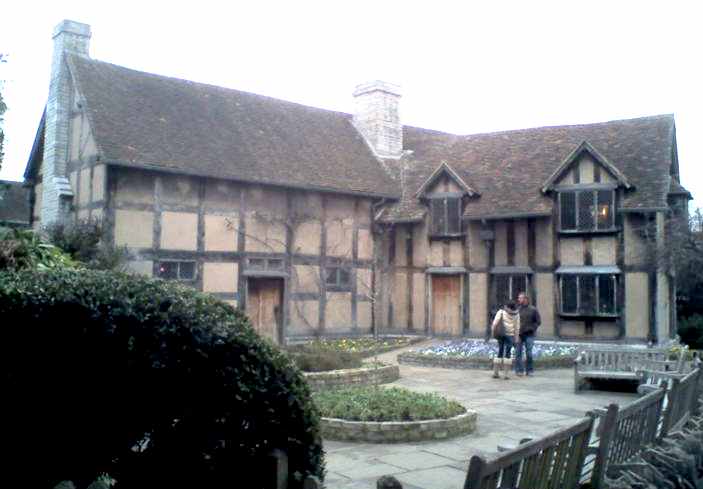
لهسهر هێڵ نییه
#6 2009-03-02 20:55:40
- hawnaz
- کازیوەی یانە
- شوێن: ♫سلێمانی♫
- ڕێكهوتی به ئهندامبوون: 2008-01-21
- دواترین سهردان: 2013-10-22
- پهیامهكان: 1234
Re: ژیان نامه..........؟
به كوردى يان ئينكليزى
سبيله كه ى جيه؟؟؟
لهسهر هێڵ نییه
#7 2009-03-03 07:03:01
- Eng-Xalat
- کازیوەی یانە
- شوێن: سلێمانی
- ڕێكهوتی به ئهندامبوون: 2008-11-16
- دواترین سهردان: 2014-01-04
- پهیامهكان: 3706
Re: ژیان نامه..........؟
کاکهههرێم سپێڵهکهی به ئینگلیزی بنووسه
لهسهر هێڵ نییه
#9 2009-03-03 21:10:50
- Sarwar Qaradaxi
- سونبولی یانه
- شوێن: ☆بهریتانیا★
- ڕێكهوتی به ئهندامبوون: 2008-07-01
- دواترین سهردان: 2014-01-24
- پهیامهكان: 1488
- ویبگه

Re: ژیان نامه..........؟
فهرموو ئازیز.
Charles Dickens (1812 - 1870)
Charles Dickens is much loved for his great contribution to classical English literature. He is the quintessential Victorian author: his epic stories, vivid characters and exhaustive depiction of contemporary life are unforgettable.
Charles Dickens is much loved for his great contribution to classical English literature. He is the quintessential Victorian author: his epic stories, vivid characters and exhaustive depiction of contemporary life are unforgettable.
His own story is one of rags to riches. He was born in Portsmouth on February 7, 1812, to John and Elizabeth Dickens. The good fortune of being sent to school at the age of nine was short-lived because his father, inspiration for the character of Mr Micawber in David Copperfield, was imprisoned for bad debt. The entire family, apart from Charles, were sent to Marshalsea along with their patriarch. Charles was sent to work in Warren's blacking factory and endured appalling conditions as well as loneliness and despair. After three years he was returned to school but the experience was never forgotten and became fictionalised in two of his better-known novels David Copperfield and Great Expectations.
Like many others, he began his literary career as a journalist. His own father became a reporter and Charles began with The Mirror of Parliament and The True Sun. Then in 1833 he became parliamentary journalist for The Morning Chronicle. With new contacts in the press he was able to publish a series of sketches under the pseudonym 'Boz'. In April 1836, he married Catherine Hogarth, daughter of George Hogarth who edited Sketches by Boz. Within the same month came the publication of the highly successful Pickwick Papers, and from that point on there was no looking back.
As well as a huge list of novels he published autobiography, edited weekly periodicals including Household Words and All Year Round, wrote travel books and administered charitable organisations. He was also a theatre enthusiast, wrote plays and performed before Queen Victoria in 1851. His energy was inexhaustible and he spent much time abroad - for example lecturing against slavery in the United States and touring Italy with companions Augustus Egg and Wilkie Collins, a contemporary writer who inspired Dickens' final unfinished novel Mystery of Edwin Drood.
He was estranged from his wife in 1858 after the birth of their ten children, maintained relations with his mistress, the actress Ellen Ternan and died of a stroke in 1870. He is buried at Westminster Abbey.
ژیـــــان لای ههموو کـــــهس خۆشهویسته،
بــــهڵام شهرهف لای مهردخۆشهویــــستره،
لهسهر هێڵ نییه
خوارووی مهكۆ
Your IP Address : 216.73.216.104
Powered by PunBB 1.2.15
© Copyright 2007 – 2011
Translated By : Webchin.Org
Design And Style By : Kurdzhin.net
